Debunking Common Myths About Earwax Removal: A 2025 Update for Your Ear Health
Summary
If you are short on time, here are the most important facts you need to know about keeping your ears healthy in 2025:
Stop Using Cotton Buds: They do not clean your ears effectively. Instead, they act like a plunger, pushing wax deeper into the canal and risking damage to your eardrum.
Avoid Ear Candles: These are dangerous and scientifically proven to be ineffective. They do not remove wax and can cause burns or blockages.
Wax is Good: Earwax is not dirt; it is a natural shield that protects your ear from dust and infection. Your ears are self-cleaning, so you rarely need to interfere.
Microsuction is Best: The safest modern method for removal is microsuction. It acts like a tiny, gentle vacuum cleaner and uses no water, making it the "gold standard" for safety.
Syringing is Out, Irrigation is In: Old-fashioned metal syringes are no longer used. If water is needed, professionals now use electronic irrigation machines that control water pressure safely.
See a Pro: If you have sudden hearing loss, pain, or ringing in your ears, do not try to fix it at home. Visit an audiologist for a quick and safe check-up.
Introduction
It’s a universally strange, sometimes uncomfortable, and often misunderstood part of aging: earwax. As we enter our middle years and beyond, our bodies change, and that includes the delicate ecosystems inside our ears. Glands can shrink, producing drier wax that is harder to expel naturally. This can lead to that all-too-familiar feeling of fullness, muffled hearing, or even tinnitus.
In an age of instant information, it’s tempting to turn to a quick internet search or a viral social media hack for a solution. But when it comes to your hearing, separating fact from dangerous fiction is crucial. As of late 2025, the landscape of ear care is shifting. From new reports on accessing professional care to the rise of alarming “DIY” trends online, there has never been a more important time to set the record straight.
This article provides a real-time analysis of the latest developments in ear health. We will slice through the noise to debunk persistent earwax removal myths, examine the dangers of popular home remedies, and explain why modern, professional techniques like microsuction are becoming the gold standard for safe and effective care.
The 2025 Ear Care Landscape: A Real-Time Analysis
Recent months have seen significant discussions around the accessibility and safety of earwax removal services. A major point of contention in the UK and other regions is the reduced availability of earwax removal in primary care settings like GP surgeries. Reports from organizations like the RNID and Specsavers in 2024 and 2025 have highlighted the “postcode lottery” patients face, with many being forced to seek private treatment due to long NHS waiting lists or service withdrawals. This has created a vacuum that is, unfortunately, being filled by unsafe advice.
Simultaneously, social media platforms like TikTok have become a breeding ground for dangerous “ear cleaning” trends. Videos promoting the use of scraping tools, tiny cameras, and even harsh chemicals like undiluted hydrogen peroxide have racked up millions of views. Audiologists and ENT specialists are issuing urgent warnings that these DIY methods are leading to a rise in injuries, infections, and impacted wax pushed deeper into the ear canal.
On a positive note, technology is advancing professional care. The integration of AI in audiology is streamlining testing, while the move towards drier, more precise removal methods is improving patient safety.
Busting the Biggest Earwax Removal Myths
Let’s tackle the most common misconceptions that could be putting your hearing at risk.
Myth #1: Cotton Buds Are the Best Way to Clean Your Ears
This is perhaps the most pervasive and damaging myth of all. It feels intuitive: you see wax, you grab a cotton swab to wipe it away. However, audiologists and ENT doctors are unanimous in their advice: never put a cotton bud inside your ear canal.
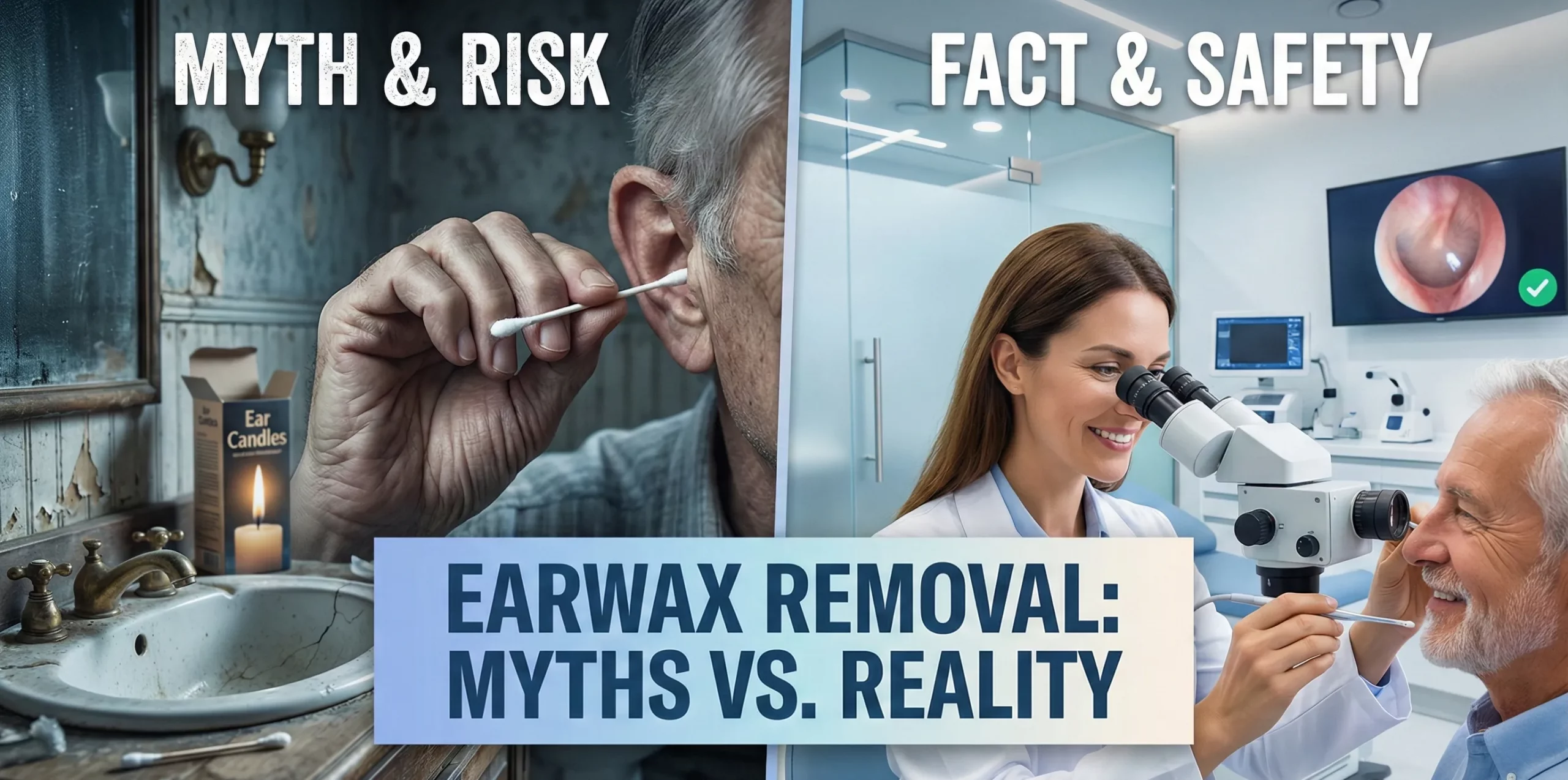
The Reality: While you might manage to remove a small amount of superficial wax, the blunt end of the swab acts like a plunger, pushing the majority of the wax deeper into the canal toward the eardrum. This can turn a minor build-up into a painful impaction that requires professional intervention. Furthermore, the delicate skin lining the ear canal is easily scratched, creating an entry point for bacteria and leading to painful outer ear infections (otitis externa). In the worst-case scenario, inserting a swab too deeply can perforate your eardrum, causing pain and potential hearing loss.
Myth #2: Ear Candling is a Natural and Effective Remedy
Ear candling involves placing a hollow, cone-shaped candle into the ear and lighting the other end. The claim is that the heat creates a vacuum effect, drawing out wax and “toxins.” This practice is heavily promoted in some alternative health circles, but it is fundamentally flawed and dangerous.
The Reality: There is no scientific evidence that ear candling works. Studies have shown that it does not create a vacuum powerful enough to remove wax. The debris found inside the candle after use is simply burnt wax from the candle itself and ash from the wick, not earwax.
More importantly, it carries significant risks. The U.S. Food and Drug Administration (FDA) and other world health bodies have issued strong warnings against ear candling due to reports of serious injuries, including burns to the face and ear canal, eardrum perforations, and blockage of the ear canal with candle wax. It is an ineffective and risky procedure that should be avoided completely.
Myth #3: Earwax Is Dirty and Needs to Be Thoroughly Removed
Many people believe that any visible wax is a sign of poor hygiene and needs to be scrubbed away. This creates a cycle of over-cleaning that does more harm than good.
The Reality: Earwax, or cerumen, is not dirt. It is a naturally occurring substance produced by glands in the outer ear canal that serves a vital protective function. It lubricates the skin to prevent dryness and itching, traps dust, dirt, and insects to keep them away from the eardrum, and has antibacterial and antifungal properties.
Your ears are self-cleaning organs. A slow “conveyor belt” mechanism in the skin of the ear canal naturally migrates old wax and debris outward, where it dries and falls out or is washed away during showering. For most people, no active cleaning of the canal is ever necessary.
Myth #4: Professional Removal is Painful and Unnecessary
Some fear that seeing a professional for a blocked ear will be a painful or uncomfortable experience. Others believe they can simply resolve any issue themselves at home.
The Reality: Attempting to remove impacted wax at home is rarely successful and often makes the problem worse. Modern professional techniques are designed to be quick, effective, and comfortable. While you may feel strange sensations or hear loud noises during the procedure, it should not be painful. Seeking professional help is the only safe way to deal with a true impaction.
Modern & Safe Removal Methods Explained
If you are experiencing symptoms of a wax build-up—such as sudden hearing loss, ringing in the ears, a feeling of fullness, or earache—it is time to see a professional. Here are the safe, modern methods they will use.
Microsuction: The New “Gold Standard”
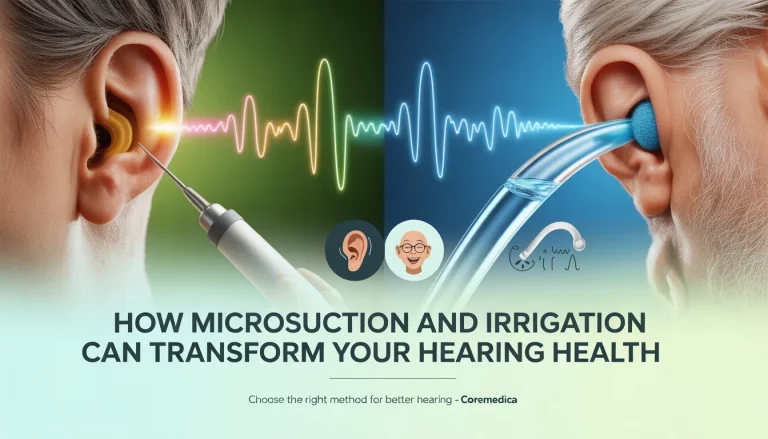
Microsuction has become the preferred method for many audiologists and ENT specialists, particularly for older adults. It is a “dry” procedure, meaning no water is flushed into the ear.
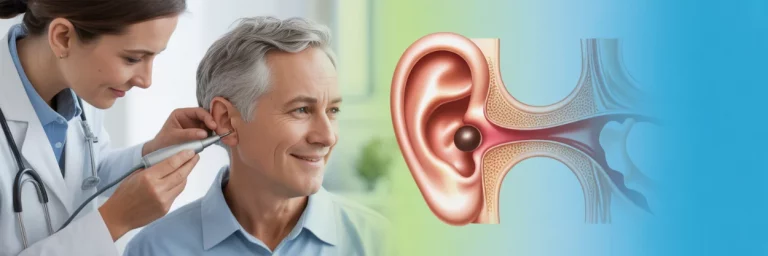
- How it Works: The clinician uses a high-powered surgical microscope or loupes to get a clear, magnified view of your ear canal and eardrum. A tiny, sterile suction device is then gently introduced into the ear to act like a miniature vacuum cleaner, precisely dislodging and removing the wax.
- Why It’s Recommended: Because it’s a dry technique performed under direct vision, it is exceptionally safe and accurate. It is ideal for people with a history of ear infections, perforated eardrums, or those who have had previous ear surgery, as these conditions can make water-based methods risky. It is generally a quick and comfortable procedure.
Ear Irrigation (Electronic)
This is the modern, safer version of what was once known as “ear syringing.” The old-fashioned metal syringes that violently squirted water are obsolete and no longer recommended due to the risk of damaging the eardrum due to uncontrolled pressure.
- How it Works: Today’s irrigation uses an electronic ear irrigation machine that pumps controlled, body-temperature water into the ear canal at a safe, regulated pressure. The water gently washes behind the wax plug, flushing it out.
- When It’s Used: Irrigation can be very effective for soft to moderately hard wax. However, it is generally not suitable for patients with a perforated eardrum, a history of ear surgery, or an active ear infection. A professional will always examine your ear first to determine if irrigation is safe for you.
Practical Advice for Healthy Ears as You Age
As we age, taking care of our hearing becomes even more critical. Here is some practical, expert-backed advice to keep your ears healthy:
- Follow the “Elbow Rule”: The old adage holds true: never put anything smaller than your elbow into your ear. This includes cotton buds, hairpins, keys, and matchsticks.
- Clean Only the Outside: It is perfectly fine to clean the outer structure of your ear (the pinna) with a damp cloth after a shower. Just don’t venture into the canal itself.
- Use Drops with Caution: Over-the-counter drops like medical-grade olive oil or almond oil can help soften wax, making it easier for the ear’s natural mechanism to clear it. However, you should only use them if you are sure you don’t have a perforated eardrum. If you suspect a blockage, it’s best to consult a professional before starting any home treatment regimen. They may advise you to use drops for a few days before an appointment to make a procedure like microsuction or irrigation easier.
- Listen to Your Body: Don’t ignore persistent symptoms like hearing loss, tinnitus, dizziness, or pain. These could be signs of a wax impaction or another underlying condition that requires medical attention.
Conclusion
In 2025, navigating the world of ear health means being a discerning consumer of information. The allure of quick, DIY fixes on social media is strong, but the risks to your precious sense of hearing are far too high. By understanding the truth behind common earwax removal myths and embracing safe, professional methods like microsuction, you can ensure your ears remain healthy and your hearing clear for years to come.
When in doubt, always step away from the cotton buds and consult a qualified audiologist or healthcare professional. Your ears will thank you for it.